
Understanding Direct Costs
So, what is direct cost? Simply put, direct costs are the expenses you incur directly in the process of delivering a product or service to your customer.
Imagine you’re building a road. The direct costs would consist of the bitumen, concrete, and steel used in construction, the wages of the crew who are directly laying down the road, and the cost of renting or operating heavy machinery like pavers and excavators specifically for the project. These costs directly go into the creation of the road and tend to vary with the scale and length of the road being constructed.
Understanding Indirect Costs
In contrast to direct costs, we have indirect costs. These are the infrastructure costs necessary to support your business operations. Although they’re not linked to your product or service in the same way that direct costs are, they’re vital for your business’s functioning. Think of expenses like business premises rent, insurance, administrative salaries, and general office overheads. Since these costs don’t change dramatically with variations in your sales or production volumes, they’re often also categorised as fixed costs.
What Is Direct Cost? A Worked Example
The main distinction between direct and indirect costs lies in their connection to your product or service. The answer to ‘what is direct cost?’ is simply, it’s a cost that is directly related to the production or delivery of your product or service.
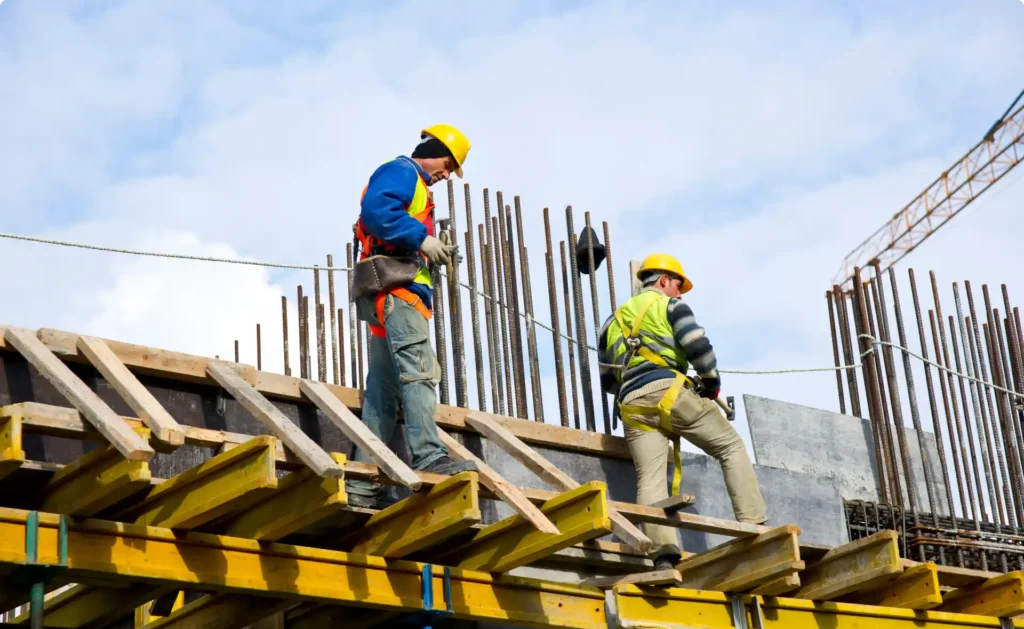
In the context of the construction industry, consider the construction of a house. The direct costs would include the raw materials such as lumber, cement, and steel, as well as the wages of the construction workers and the costs of transporting these materials to the site. These costs are directly tied to the specific construction project and are typically variable, changing with the scope and complexity of the project.
Indirect costs, on the other hand, include expenses that support the overall operations of the construction company, but are not tied to a specific construction project. These might include the costs of maintaining the company’s offices, the salaries of the administrative staff, or the insurance costs for the business. These costs remain more constant, not fluctuating significantly with the size or number of construction projects undertaken.
Understanding ‘what is direct cost’ and how it differs from indirect costs is particularly important in an industry like construction, where large projects involve numerous types of costs and resources. Recognizing the difference between these costs allows for more accurate job costing, budgeting, and project management.
So, Why Should You Care About ‘What Is Direct Cost’ And How It Differs From Indirect Costs?
Understanding the difference between direct and indirect costs can significantly impact the financial health and profitability of your business.
It influences:
- Your Pricing: By knowing the direct costs involved in producing a service or product, you can price your offerings more accurately. This ensures that each sale covers its own cost and contributes to your profit, preventing underpricing that can erode your margins over time.
- Cost Control and Reduction: Understanding which costs are direct and which are indirect helps you identify where you might be overspending and where there is potential for cost reduction. For example, if direct costs are too high, you might need to negotiate better deals with suppliers or improve operational efficiency.
- Budgeting and Forecasting: Knowledge of direct and indirect costs allows for better budgeting and financial forecasting. Direct costs are often variable and will change with the volume of goods or services you produce, while indirect costs are typically fixed. Recognising this can help you forecast future costs more accurately and plan your budget effectively.
- Profitability Analysis: Understanding these costs can help you conduct a better profitability analysis. For instance, if one service has higher direct costs than another, but they are sold for the same price, the first service will have lower profitability. This information can inform decisions about which services to promote or discontinue.
- Decision-Making: In-depth knowledge of your direct and indirect costs can inform strategic decisions, such as whether to outsource certain functions. If an indirect cost (like administration or HR) becomes too high, it may be more cost-effective to outsource that function.
- Break-Even Analysis: Direct and indirect costs are critical in calculating your business’s break-even point – the point at which total revenue equals total costs. Knowing your break-even point can guide decisions about pricing, production volume, and growth strategies.
By truly understanding the difference between direct and indirect costs, you’ll be better equipped to manage your business’s financials effectively, driving profitability and sustainable growth.
So, How Do You Apply This Knowledge to Your Business
Here are five simple steps you can take to apply your new found understanding of direct and indirect costs to your business:
Step 1. Cost Identification and Categorisation:
The first step is to identify all costs associated with your business. Make a list of all expenses, then categorise each as either a direct cost (e.g., labor, materials, equipment rentals) or an indirect cost (e.g., office rent, administrative salaries, utilities).
Step 2. Analyse Cost Behaviour:
Observe how these costs behave as your construction projects change in size or complexity. Recognise which costs are variable (change directly with the level of construction activity) and which are fixed (remain constant irrespective of the level of construction activity).
Step 3. Adjust Pricing:
If you’ve been setting prices without a clear understanding of all your direct costs, you may need to adjust your pricing strategy. Ensure your prices cover all direct costs and contribute to covering indirect costs and generating a profit.
Step 4. Cost Control:
Based on your understanding of direct and indirect costs, look for areas where you can control and reduce costs. For example, you might negotiate better rates with material suppliers or improve labor efficiency to reduce direct costs. On the indirect side, you might consider energy-saving measures to reduce utility costs.
Step 5. Regular Review:
Lastly, it’s essential to periodically review and update your understanding of your costs. Over time, both direct and indirect costs can change, so regular review will help you stay on top of these changes and adjust your strategies as needed. This could involve regular cost audits and updating budgets and financial forecasts accordingly.
By following these steps, you can improve your bottom line and guide your business towards sustainable growth.
The Bottom Line
Really understanding your direct costs and how they contrast with your indirect costs isn’t just a nice-to-know—it’s a need-to-know for every business owner.
These principles lay the foundation for your financial analysis, strategic planning, and overall profitability. Having a firm grasp of these gets you well on your way to making smarter and better-informed business decisions.
Want to go deeper and really get to grips with your business’s finances? Join our next Know Your Numbers Group and become a better decision maker, a better leader and a better all round business person!